
Modernize a Boiler Room Without Oversizing
How to sequence a boiler room project to avoid unnecessary capacity and costly technical compromises.
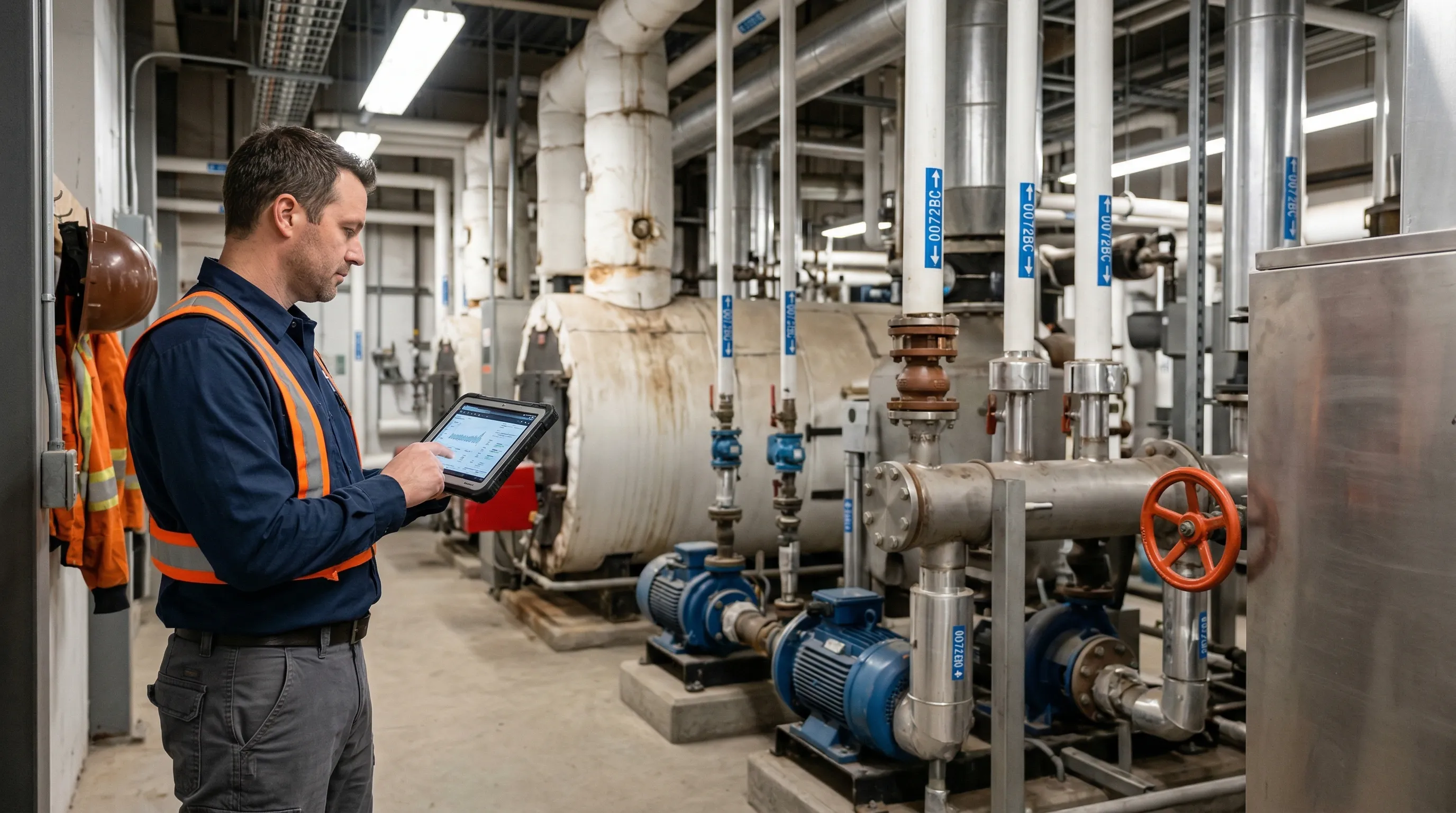
At a Glance
Oversizing remains common when a boiler room project is launched under pressure without enough visibility into loads, controls and building condition. A sound decision sequence helps avoid unnecessarily heavy investments and disappointing performance.
Why Are Boiler Rooms So Often Oversized During Modernization?
When equipment is aging or becoming unstable, there is a strong temptation to replace it quickly and keep a large capacity margin “just in case.” That may seem reassuring, but it can result in a system that modulates poorly, short cycles and consumes more energy than necessary. In many projects, oversizing is not a deliberate strategy; it is the byproduct of limited time, missing data or an incomplete reading of the site.
Why Does Project Sequence Matter So Much?
Before sizing new heat production, you need to understand the building envelope, air leakage, occupancy schedules, existing controls and actual heat distribution. If those elements change or are corrected, the useful load can change as well. Modernizing the boiler room without revisiting them means locking old assumptions into a new capital project.
What Information Should Be Collected Before Making the Decision?
Failure history, supply and return temperatures, seasonal loads, occupant complaints, loop behavior and control logic are more useful than simply repeating the capacity of the existing boiler. Mechanical access, available shutdown windows and site priorities also matter: comfort, process stability, redundancy, maintainability or future growth. Those return readings also drive the equipment type, since the condensing vs non-condensing boiler decision depends on how cold the water comes back to the boiler room.
How Do You Reduce Costly Compromises During the Work?
A well-sequenced project addresses the biggest performance drivers first: condition correction, controls, balancing, distribution and then heat production when required. That logic helps avoid rushed replacements that solve a symptom without fixing the cause. It also reduces the risk of installing equipment that is more complex than the site can realistically maintain.
What Is the Value of an Independent Technical Review?
An independent partner can bring the project back to concrete criteria: actual load, reliability, ease of operation, compatibility with existing networks and operating costs. Montréal Combustion can support that review across Greater Montréal, the Rive-Nord and the Rive-Sud to help prioritize the right modernization steps and avoid installing a new boiler that simply reproduces the limits of the old system.